What Happens If You Delay Dental Braces Treatment?
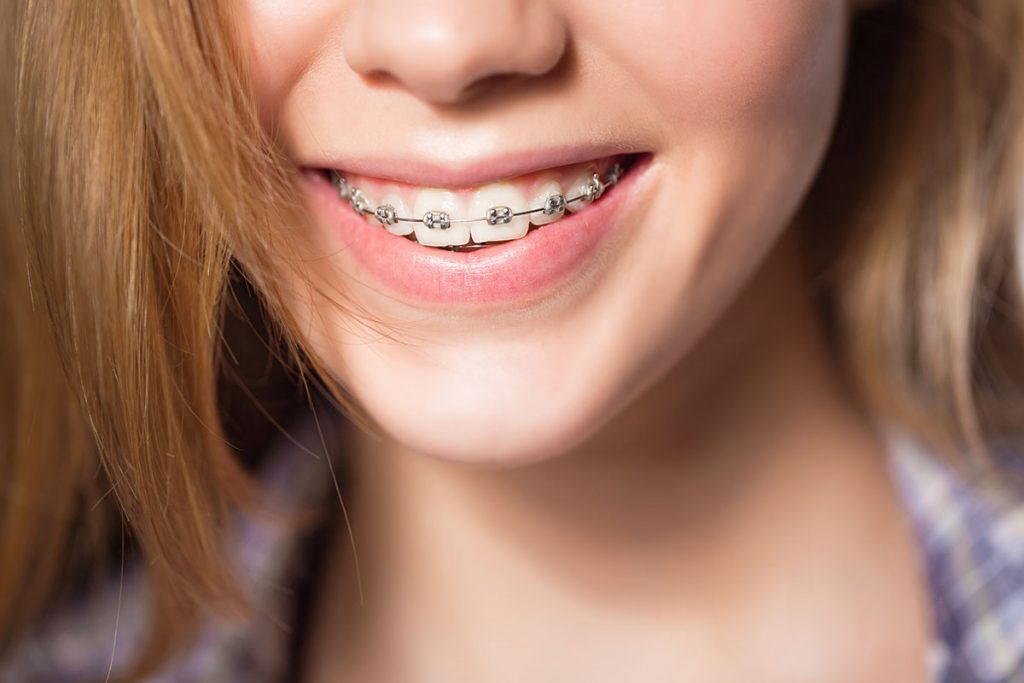
Most families in Indian cities face the dilemma of whether to opt for dental braces treatment for their children or delay it due to various reasons such as financial constraints or the perceived hassle of the treatment process. Consider the case of a 12-year-old child who has been advised by an orthodontist to undergo dental braces treatment to correct a severe overbite. The parents, however, are unsure about the timing, wondering what happens if you delay dental braces treatment. This question is not unique to them; many families find themselves in similar situations, weighing the pros and cons of immediate versus delayed treatment. Delaying dental braces treatment can have significant implications on the overall health and aesthetics of the teeth. Here is the thing though: understanding these implications is crucial for making an informed decision. Skipping proper research is something people regret which is why many go straight to
Best braces dentist in Kondhwa.
Understanding the Consequences of Delay
The decision to delay dental braces treatment is often influenced by factors such as the cost, which can range from 50,000 to 2,00,000 rupees or more, depending on the type of braces and the location, whether it's a government hospital or a private clinic in a tier-1 city like Mumbai or a tier-2 city like Pune. However, what most people miss is that delaying treatment can lead to more severe dental issues down the line. For instance, a child with untreated overbite may experience difficulties in chewing and speaking, and may even develop jaw pain. As the child grows, these problems can exacerbate, leading to a more complex and costly treatment process. In some cases, delayed treatment might necessitate additional procedures such as tooth extractions or even surgical interventions. And that is exactly where it gets complicated - the longer you wait, the more you might end up spending in the long run, not just in terms of money, but also in terms of the child's comfort and self-esteem.
The Role of Dental Braces in Orthodontic Care
Dental braces play a critical role in orthodontic care, serving as a corrective measure for various dental misalignments and issues. The most critical aspect of dental braces treatment is its ability to prevent future dental problems by aligning the teeth correctly, thus ensuring proper bite and minimizing the risk of tooth decay and gum disease. What happens if you delay dental braces treatment, in this context, becomes a question of whether you are willing to risk the long-term health of your teeth for short-term convenience or financial savings. Families who consult a dentist regularly are often better informed about the importance of timely intervention. However, for those who do not have access to regular dental care, the decision to seek treatment can be daunting. The cost of dental braces, for example, can be a significant barrier, with prices varying significantly between government hospitals, which might offer more affordable options, and private clinics, which may provide more personalized care but at a higher cost.
Making an Informed Decision
When considering what happens if you delay dental braces treatment, it's essential to look at the practical aspects of the treatment process. This includes understanding the different types of braces available, such as traditional metal braces, ceramic braces, and invisible aligners, each with its own set of advantages and disadvantages. For instance, traditional metal braces are often the most cost-effective option but may be more noticeable. On the other hand, invisible aligners offer a more discreet solution but can be more expensive. What to look for, then, are not just the aesthetic considerations, but also the functional benefits and the potential impact on the child's lifestyle. This might involve discussing with the orthodontist the best time to start treatment, the duration of the treatment, and how it will affect the child's daily activities, such as eating, speaking, and even participating in sports.
Preparing for the Outcome
Preparing for the outcome of dental braces treatment, whether immediate or delayed, involves understanding what to expect during and after the treatment. This includes the regular follow-up appointments with the orthodontist, the potential discomfort or pain associated with the braces, and the importance of maintaining good oral hygiene to prevent any complications. Here, honesty is key - the process is not always easy, and there will be days when the child might feel frustrated with the braces. However, with the right support and care, the outcome can be highly rewarding, leading to a healthier, more confident smile. Red flags or mistakes to avoid include neglecting regular dental check-ups, failing to follow the orthodontist's instructions, and not considering the long-term benefits of the treatment. By being aware of these potential pitfalls, families can better navigate the treatment process and ensure a successful outcome. At this stage of the decision, a closer look at Affordable braces treatment Kondhwa can make a real difference.
Frequently Asked Questions
Q1: What is the ideal age for getting dental braces in India, and how does delaying treatment affect this timeline?
The ideal age for getting dental braces can vary, but most orthodontists recommend that children be evaluated by the age of 7 to determine if early intervention is necessary. Delaying treatment beyond the recommended age can complicate the process and may require more extensive treatment later on. It's essential to consult with an orthodontist to determine the best course of action based on the individual child's needs.
Q2: How much do dental braces cost in India, and are they covered by health insurance?
The cost of dental braces in India can range widely, from 50,000 to 2,00,000 rupees or more, depending on the type of braces and the location of the treatment. Some health insurance plans may cover a portion of the cost, but this varies greatly depending on the specific policy. It's crucial to check with your insurance provider to understand what is covered and what is not.
Q3: Is it safe to delay dental braces treatment until all the permanent teeth have erupted?
While it might seem logical to wait until all permanent teeth have erupted, delaying dental braces treatment can lead to more severe dental issues. Early intervention can sometimes prevent more complicated problems from developing. It's best to consult with an orthodontist to determine the optimal time for treatment based on the individual's dental development.
Q4: What are the differences between traditional metal braces and invisible aligners, and which is more suitable for children?
Traditional metal braces and invisible aligners are two common types of orthodontic treatments. Metal braces are more visible but often less expensive, while invisible aligners are more discreet but can be more costly. The suitability of each option depends on the child's specific needs, lifestyle, and preferences. An orthodontist can help determine which option is best suited for the child's condition. The specifics become clearer once you look at SmyleXL India’s best dental service provider, especially if you have been getting mixed information elsewhere.
Q5: How long does dental braces treatment typically last, and what is the follow-up care like after the braces are removed?
The duration of dental braces treatment can vary significantly depending on the complexity of the case, but it usually lasts anywhere from 1 to 3 years. After the braces are removed, follow-up care is essential to ensure the teeth remain in their corrected positions. This often involves wearing a retainer, which can be removable or fixed, depending on the orthodontist's recommendation.
Conclusion
The decision of what happens if you delay dental braces treatment is not one to be taken lightly. It involves considering the potential long-term effects on dental health, the cost implications, and the impact on the child's self-esteem and overall well-being. The process of getting dental braces, whether immediate or delayed, requires careful consideration and planning. It's about finding the right balance between the present concerns and the future benefits. Ultimately, the goal is to ensure that the child grows up with a healthy, confident smile, and that's a decision worth investing time and effort into. As you weigh your options, remember that it's okay to take your time, but it's also important not to delay unnecessarily, as the right timing can make all the difference in the outcome of the treatment.


Comments
Post a Comment