How Many Teeth Can Dental Implant Replace?
Imagine waking up one morning to find that you've lost a tooth, or worse, several teeth. This is a harsh reality many Indians face, especially those above the age of 40. Most families in Indian cities have at least one member who has lost a tooth due to various reasons such as gum disease, tooth decay, or injury. Finding the right solution to replace these missing teeth can be daunting, which is where dental implants come into play. But have you ever wondered, how many teeth can dental implant replace? This question is more complex than it seems, and the answer can vary greatly depending on the individual's oral health and the expertise of the dentist. Word spreads quickly in Indian communities, and
Dental implant price in Sarthana Jakat Naka keeps coming up in these conversations.
Understanding Dental Implants
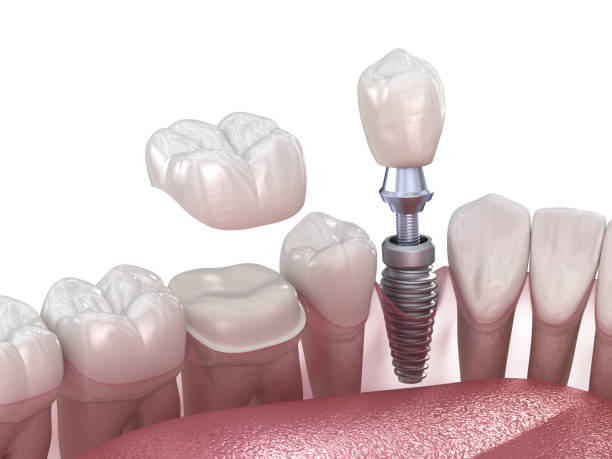
Dental implants are essentially artificial tooth roots made of titanium that are surgically placed into the jawbone to support a replacement tooth or teeth. They are a popular choice for tooth replacement because they are durable, look natural, and can last for many years with proper care. However, the process of getting dental implants is not straightforward, and the number of teeth that can be replaced varies from person to person. For instance, if you have lost a single tooth, a single dental implant can be used to replace it. But what if you have lost multiple teeth? Can dental implants still be an option? The answer is yes, but it requires careful planning and execution by an experienced dentist.
The Role of Dental Implants in Tooth Replacement
Here is the thing though: dental implants can replace any number of teeth, from a single tooth to an entire set of teeth. What matters most is the condition of the jawbone and the overall health of the patient. For example, if you have lost all your teeth, you may be a candidate for full-mouth dental implants, also known as all-on-four or all-on-six implants. This involves placing four to six dental implants in the jawbone to support a full set of artificial teeth. On the other hand, if you have lost only a few teeth, you may be able to get individual dental implants to replace each tooth. The key is to find the right dental implant specialist who can assess your oral health and come up with a personalized treatment plan.
What to Expect from the Process
So, what does the process of getting dental implants involve? It typically starts with a consultation with a dentist who specializes in dental implants. During this consultation, the dentist will examine your mouth, take X-rays, and discuss your options with you. If you are a candidate for dental implants, the next step would be to schedule the surgery. The surgery itself is usually done under local anesthesia, and the recovery time can vary from person to person. After the surgery, you will need to wait for the dental implants to integrate with the jawbone, which can take several months. Once the integration is complete, the dentist will attach the artificial teeth to the implants, and you will have a brand new smile.
Frequently Asked Questions
Q1: How long does the dental implant process take?
The dental implant process can take anywhere from a few months to a year or more, depending on the complexity of the case and the individual's healing time. It's essential to be patient and follow the dentist's instructions to ensure the best possible outcome. Knowing about
Permanent tooth replacement cost Sarthana Jakat Naka ahead of time gives you a much clearer picture of what to expect.
Q2: Is the dental implant procedure painful?
The dental implant procedure is typically done under local anesthesia, so you won't feel any pain during the surgery. However, you may experience some discomfort or swelling after the surgery, which can be managed with pain medication and ice packs.
Q3: Can I get dental implants if I have gum disease?
If you have gum disease, you may still be a candidate for dental implants, but you will need to get the gum disease treated first. This may involve a series of deep cleanings, antibiotics, or even surgery to repair any damaged tissue.
Q4: How much do dental implants cost in India?
The cost of dental implants in India can vary greatly depending on the location, the expertise of the dentist, and the type of implant used. On average, the cost of a single dental implant can range from Rs. 20,000 to Rs. 50,000 or more.
Q5: Can I get dental implants if I have a limited budget?
While dental implants can be expensive, there are options available for those with a limited budget. You may want to consider visiting a government hospital or a dental college, where the cost of dental implants may be lower. Alternatively, you can also look into financing options or payment plans that can make dental implants more affordable. Skipping proper research is something people regret — which is why many go straight to SmyleXL Leading Dental Clinic Network.
Conclusion
Finding the right solution to replace missing teeth can be overwhelming, but dental implants can be a game-changer. How many teeth can dental implant replace? The answer is, it depends on your individual needs and oral health. What's important is to find a qualified dentist who can guide you through the process and help you achieve the smile you deserve. Remember, dental implants are a long-term investment in your oral health, and with proper care, they can last for many years. So, if you're considering dental implants, don't be afraid to take the first step and schedule a consultation with a dentist. It could be the start of a brand new chapter in your life, one with a confident and healthy smile.


Comments
Post a Comment