What Your Dentist Might Not Tell You: The Surprising Truth About Wisdom Teeth Extraction
Most families in Indian cities face this exact situation: a teenager or young adult in the household is experiencing pain or discomfort from their wisdom teeth, and the dentist recommends extraction. But how many of us really understand what this procedure entails? What are the potential risks and benefits? And what questions should we be asking before we give the green light for wisdom teeth extraction? Here's the thing: it's not just about getting rid of a pesky tooth, it's about making an informed decision that can impact our overall health and wellbeing. Many of us have heard horror stories about wisdom teeth extraction, from lengthy recovery times to complications like dry socket. Knowing about
Painless wisdom tooth extraction Sarthana Jakat Naka ahead of time gives you a much clearer picture of what to expect.
Understanding the Basics of Wisdom Teeth Extraction
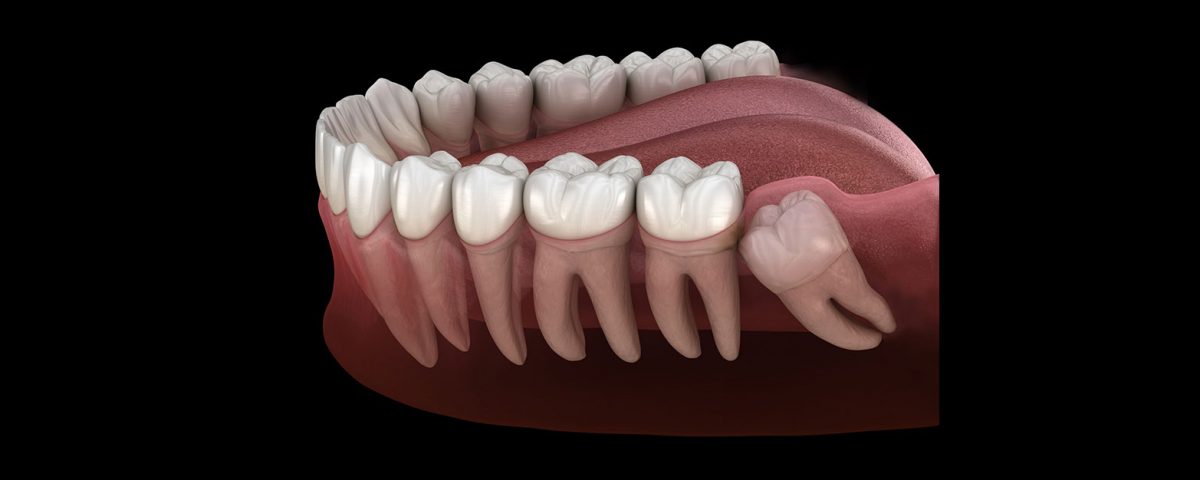
Wisdom teeth, also known as third molars, are the last set of teeth to emerge in the mouth, typically between the ages of 17 and 25. But sometimes, these teeth don't have enough room to grow in properly, leading to overcrowding, impaction, and even infection. This is where wisdom teeth extraction comes in - a surgical procedure to remove one or more of these problematic teeth. In India, the cost of wisdom teeth extraction can vary significantly, from around ₹5,000 to ₹20,000 or more per tooth, depending on the location, the dentist's expertise, and the complexity of the procedure. What most people miss is that the cost is not just financial; it's also about the time and discomfort involved in the recovery process. For instance, many people in tier-1 cities like Delhi or Mumbai may have access to more advanced dental facilities and specialists, whereas those in tier-2 cities might have to travel to find the right care.
The Importance of Asking the Right Questions
Before undergoing wisdom teeth extraction, it's crucial to have a thorough understanding of the procedure, including the potential risks and benefits. The single most important thing to understand is that not all wisdom teeth need to be extracted. In some cases, wisdom teeth may grow in properly and not cause any problems, while in other cases, extraction may be necessary to prevent more serious issues like gum disease or cysts. Here's what most people don't realize: the decision to extract wisdom teeth is not just about the tooth itself, but about the overall health of the mouth and the potential long-term consequences of leaving the tooth in. And that is exactly where it gets complicated - because every individual's situation is unique, and what works for one person may not work for another. For example, someone with a history of dental problems may need to take extra precautions before and after the procedure.
Preparing for Wisdom Teeth Extraction
So, what can you expect during the procedure, and how can you prepare? Typically, wisdom teeth extraction is done under local anesthesia, which numbs the area around the tooth. In some cases, sedation dentistry may also be used to help the patient relax during the procedure. After the extraction, it's essential to follow the dentist's instructions carefully to ensure proper healing and minimize the risk of complications. This may include eating soft foods, avoiding strenuous activities, and taking pain medication as directed. What's often overlooked is the importance of choosing the right dentist or oral surgeon for the job - someone with experience in wisdom teeth extraction and a good track record of successful procedures. In India, many government hospitals offer affordable wisdom teeth extraction services, but the wait times can be long, and the quality of care may vary.
Managing Expectations and Avoiding Mistakes
What to realistically expect after wisdom teeth extraction? The recovery process can take several days to a week, during which time you may experience some discomfort, swelling, and bleeding. It's essential to be patient and follow the dentist's instructions to ensure a smooth recovery. Here's the thing though: some people may experience more severe complications, such as dry socket or infection, which can be painful and require additional treatment. Red flags to watch out for include excessive bleeding, severe pain, or signs of infection like fever or swelling. And let's be honest - no one likes to think about the potential risks, but it's better to be aware of them upfront so you can take steps to minimize them. For instance, smokers may need to quit smoking temporarily to reduce the risk of complications. Knowing about
Affordable wisdom tooth removal Sarthana Jakat Naka ahead of time gives you a much clearer picture of what to expect.
Frequently Asked Questions
Q1: How much does wisdom teeth extraction cost in India, and is it covered by insurance?
The cost of wisdom teeth extraction in India can vary depending on the location and the dentist's expertise, but on average, it can range from ₹5,000 to ₹20,000 or more per tooth. Some insurance plans may cover part or all of the cost, but it's essential to check with your provider beforehand. It's also worth noting that some dentists may offer package deals or discounts for multiple extractions.
Q2: Is wisdom teeth extraction a painful procedure, and what kind of anesthesia is used?
Wisdom teeth extraction can be a painful procedure, but local anesthesia is typically used to numb the area around the tooth. In some cases, sedation dentistry may also be used to help the patient relax during the procedure. The level of pain can vary depending on the individual and the complexity of the procedure.
Q3: What are the potential risks and complications of wisdom teeth extraction, and how can they be minimized?
Potential risks and complications of wisdom teeth extraction include dry socket, infection, and nerve damage. To minimize these risks, it's essential to follow the dentist's instructions carefully and take good care of the extraction site during the recovery process. This includes eating soft foods, avoiding strenuous activities, and taking pain medication as directed.
Q4: How long does it take to recover from wisdom teeth extraction, and what can I expect during the recovery process?
The recovery process for wisdom teeth extraction can take several days to a week, during which time you may experience some discomfort, swelling, and bleeding. It's essential to be patient and follow the dentist's instructions to ensure a smooth recovery. You can expect to eat soft foods, avoid strenuous activities, and take pain medication as directed. Many families describe their first interaction with
SmyleXL top-rated dental clinic network India as the moment things started to make sense.
Q5: Can I go back to work or school after wisdom teeth extraction, and how long should I take off?
It's generally recommended to take at least a day or two off work or school after wisdom teeth extraction to allow for proper recovery. The amount of time you need to take off will depend on the complexity of the procedure and your individual recovery process. It's best to consult with your dentist for specific advice on when you can return to your normal activities.
Conclusion
Finding the right approach to wisdom teeth extraction can be a daunting task, especially with so many options and opinions out there. But here's the thing: it's not just about finding a dentist or oral surgeon who can perform the procedure - it's about taking the time to understand the potential risks and benefits, asking the right questions, and making an informed decision that's right for you. What a wisdom teeth extraction actually does is not just remove a tooth, but also potentially prevent more serious issues down the line. Families who consulted a dentist or oral surgeon before undergoing wisdom teeth extraction often report feeling more confident and prepared for the procedure.
And that's exactly where the role of wisdom teeth extraction in this situation becomes clear - it's not just a dental procedure, but a decision that can impact our overall health and wellbeing. So, take a deep breath, do your research, and don't be afraid to ask questions. Your health and wellbeing are worth it. The key takeaway is that wisdom teeth extraction is a personal decision that requires careful consideration and consultation with a qualified dentist or oral surgeon. By taking the time to understand the procedure and asking the right questions, you can make an informed decision that's right for you and your family.
Source: What Your Dentist Might Not Tell You: The Surprising Truth About Wisdom Teeth Extraction


Comments
Post a Comment