Foods That Help Keep Your Child's Teeth Healthy
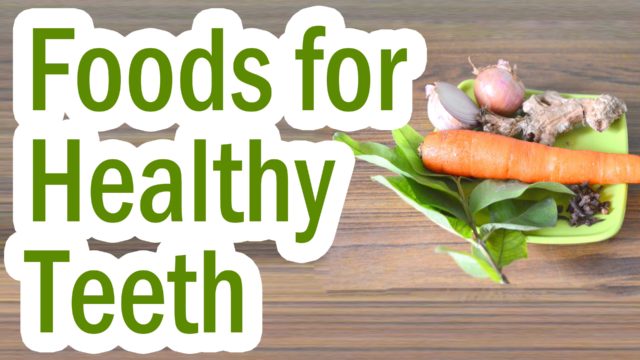
Every parent wants their child to have a bright, healthy smile - but did you know that what your child eats plays just as important a role as brushing and flossing? Teeth begin forming even before they emerge, and the nutrients a child receives through food directly influence enamel strength, gum health, and resistance to decay. While regular dental visits remain essential, daily food choices quietly work either for or against your child's oral health. If you are currently weighing how to build better habits for your child, this guide walks you through the foods that genuinely make a difference, what you can realistically expect, and a few things worth considering before making changes.
Why Diet Matters More Than Most Parents Realise
Most parents focus on reducing sweets, which is a good instinct, but the positive side of the equation - actively including teeth-friendly foods - often goes unaddressed. Teeth need a steady supply of calcium, phosphorus, vitamin D, and vitamin C to stay strong and to resist bacterial acid. When a child's diet is lacking in these nutrients, enamel can become thinner and more vulnerable over time, even if the child brushes regularly. Understanding this helps you make informed choices rather than simply avoiding the wrong foods.
Dairy and Calcium-Rich Foods
Calcium is the single most important mineral for tooth structure, and dairy products remain one of the richest sources available in an everyday Indian diet.
Milk and Paneer
A glass of milk at breakfast or a serving of paneer at lunch provides a significant calcium boost that supports both developing teeth and the jawbone surrounding them. Full-fat milk is particularly useful for younger children whose enamel is still mineralising.
Curd and Cheese
Curd contains probiotics that may help reduce harmful oral bacteria, while hard cheeses like cheddar actually stimulate saliva production. Saliva is your child's natural defence - it neutralises acids and washes away food debris. Including a small portion of cheese after a meal can be a practical protective habit.
Crunchy Fruits and Vegetables
Raw, firm fruits and vegetables serve a dual purpose. They provide vitamins and minerals, and their texture acts as a gentle mechanical cleanser as children chew, helping to scrub away surface debris and stimulate the gums.
Carrots and Cucumbers
Carrots are high in beta-carotene, which the body converts to vitamin A - a nutrient that supports the mucous membranes of the gums. Cucumbers have a high water content that helps with hydration and rinsing the mouth. Both are easy to pack in a school tiffin and tend to be well accepted by children.
Apples
Often called nature's toothbrush, apples require vigorous chewing, which increases saliva flow. The fibrous texture also gently stimulates gum tissue. Offer apple slices as an after-school snack rather than juice, since whole fruit retains the fibre and causes a slower sugar release.
The dentists at a children's dental clinic in Dwarka Nagar frequently advise parents to replace packaged snacks with whole fruit as a first, manageable dietary change.
Nuts, Seeds, and Phosphorus Sources
Phosphorus works alongside calcium to form the mineral compound that makes enamel hard. It is found abundantly in nuts, seeds, lentils, and eggs - all of which fit naturally into typical Indian meals.
Almonds and Sesame Seeds
A small handful of almonds provides both phosphorus and calcium. Sesame seeds, often used in chutneys and rotis, are particularly rich in calcium and have been shown to help remineralise tooth enamel when consumed regularly. Til laddoos, a traditional preparation, are a surprisingly good dental-health snack when made with minimal added sugar.
Eggs and Lentils
Eggs provide phosphorus and vitamin D, the latter being crucial for calcium absorption. Without adequate vitamin D, calcium-rich foods simply pass through without benefiting the teeth. Dal, eaten daily in most Indian households, adds phosphorus alongside plant-based protein, making it a quiet but consistent supporter of your child's oral health.
Foods and Habits Worth Weighing Before You Decide
No dietary change works in isolation, and there are a few practical considerations before you restructure your child's meals entirely.
First, some healthy foods are still acidic. Citrus fruits like oranges and limes are rich in vitamin C, which supports gum health, but their acid can temporarily soften enamel. Encourage your child to rinse with water after eating citrus and wait at least thirty minutes before brushing.
Second, frequency matters as much as quantity. Grazing on snacks throughout the day - even healthy ones - means teeth are exposed to acid cycles repeatedly. Structured meal and snack times with water in between give teeth time to remineralise.
A kids dentist in Dwarka Nagar can help you assess your specific child's snacking patterns and identify which habits are creating the most risk.
Third, children vary considerably. A child who already has weakened enamel, early cavities, or orthodontic appliances will need a more tailored approach than one with no existing issues. What works well as a general guideline may need adjustment based on your child's dental history.
Putting It Together: Realistic Expectations
Dietary changes support dental health, but they are not a substitute for brushing, flossing, and professional cleanings. What you can reasonably expect over time is slower cavity progression, stronger enamel development in younger children whose teeth are still forming, and healthier gum tissue. You are unlikely to reverse existing decay through diet alone, but you can meaningfully reduce the conditions that allow decay to progress. Think of food choices as one layer in a multi-layered approach - valuable, but most effective when combined with consistent oral hygiene and periodic professional review.
Conclusion
Building a diet that supports your child's dental health does not require dramatic changes. Introducing more dairy, crunchy vegetables, nuts, and eggs while being mindful of snacking frequency is a practical, sustainable approach that most families can manage within their existing routines. Results are gradual rather than immediate, which is worth keeping in mind as you evaluate whether to make these changes. If you would like personalised guidance on your child's specific needs, the team at
SmyleXL trusted dental care can help you put together an approach that accounts for both diet and overall oral hygiene for your child's long-term smile health.
Frequently Asked Questions
At what age should I start thinking about my child's diet in relation to dental health?
Dental health starts even before the first tooth appears. Nutritional choices during infancy and toddlerhood affect the mineralisation of both primary and permanent teeth. It is a good idea to be mindful of diet from the time solid foods are introduced, typically around six months of age.
Is fruit juice acceptable if my child does not like eating whole fruit?
Fruit juice, even unsweetened varieties, is significantly more acidic and higher in free sugars than whole fruit. It also lacks the fibre that slows sugar absorption. It is better used occasionally and in small quantities rather than as an everyday beverage. Water and milk remain the preferred daily drinks for children's dental health.
Can eating the right foods prevent cavities entirely?
Diet can significantly reduce the risk of cavities, but it cannot prevent them entirely on its own. Cavities result from a combination of factors including oral bacteria, sugary or starchy food exposure, brushing habits, fluoride exposure, and individual genetics. A tooth-friendly diet works best as part of a complete oral hygiene routine.
How often should children visit a dentist even if their teeth look healthy?
Most dental professionals recommend a check-up every six months for children. Early-stage decay and developmental issues are often invisible to the eye and are best caught and managed before they become more complex. Regular visits also allow the dentist to monitor the impact of diet on your child's teeth over time.
Are there any common Indian foods that are surprisingly harmful to children's teeth?
Yes - sticky sweets like toffees, dried fruits such as raisins, and starchy snacks like biscuits and namkeen can cling to tooth surfaces and feed acid-producing bacteria for extended periods. These are more damaging than many parents realise, particularly when consumed between meals rather than during them.
Source: Foods That Help Keep Your Child's Teeth Healthy


Comments
Post a Comment