How to Floss with Braces
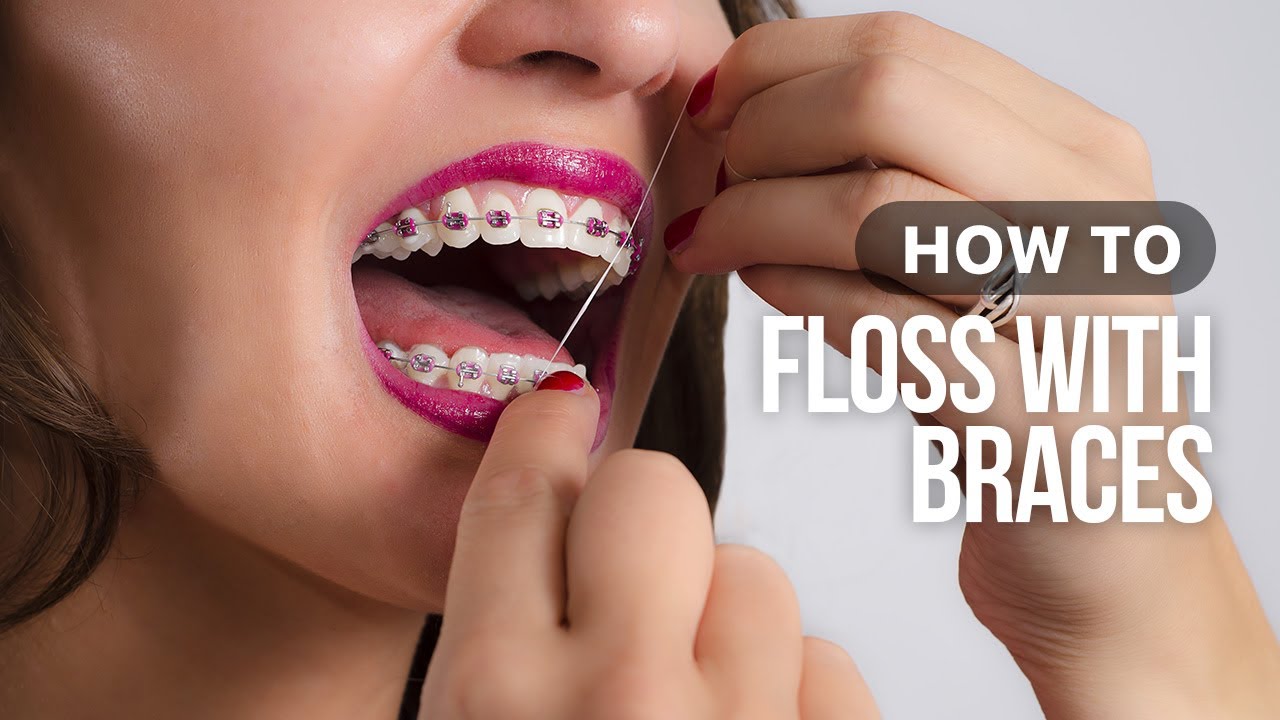
Imagine being in the middle of a crucial meeting or a first date, and suddenly you feel a piece of spinach stuck between your teeth. For most families in Indian cities, maintaining oral hygiene is a priority, but it gets complicated when you or your child has braces. Here is the thing though: braces can make flossing a bit more challenging, but it's not impossible. In fact, learning how to floss with braces is crucial to prevent plaque buildup and gum disease. Most orthodontists will agree that flossing is an essential part of the oral hygiene routine, especially when you have braces. Trust plays a big role in these decisions, and families often feel more at ease after connecting with Braces specialist in Dwaraka Nagar.
Understanding the Challenge
Flossing with braces requires a bit more effort and patience than regular flossing. What most people miss is that the wires and brackets can trap food particles and plaque, making it easier for bacteria to grow. And that is exactly where it gets complicated - if you don't floss regularly, you might end up with stains, cavities, or even gum recession. For instance, a friend of mine who got braces in her teenage years had to deal with a severe case of gum recession because she didn't floss properly. Now, she swears by the importance of flossing with braces. The good news is that there are special flossing tools designed specifically for people with braces, making it easier to navigate around the wires and brackets.
Mastering the Technique
The key to flossing with braces is to use the right tools and technique. Using a floss threader or an interdental floss can make a huge difference. These tools allow you to thread the floss under the wires and around the brackets, making it easier to remove plaque and food particles. When you're learning how to floss with braces, it's essential to take your time and be gentle. You don't want to damage the braces or irritate your gums. What you need to do is curve the floss around the edge of each tooth in a "C" shape, making sure to go below the gumline. This might take some practice, but with time, you'll get the hang of it.
Choosing the Right Tools
When it comes to flossing with braces, having the right tools can make all the difference. For example, you can use a orthodontic floss that is designed specifically for people with braces. These flosses have a stiff end that allows you to thread the floss under the wires and around the brackets. You can also use a waterpik, which is a device that uses a stream of water to remove plaque and food particles from between your teeth and around your braces. What's more, many dentists recommend using a fluoride mouthwash to help strengthen your teeth and prevent decay. Learning how to floss with braces is not just about the tools, but also about developing a consistent routine.
Realistic Expectations
Flossing with braces is not a one-time task; it's an ongoing process that requires patience and dedication. What you need to understand is that it might take some time to get used to flossing with braces, and it's normal to feel a bit frustrated at first. However, with regular practice, you'll get better at navigating the wires and brackets. Here is the thing though: it's essential to be gentle and not force the floss, as this can damage the braces or irritate your gums. If you're finding it challenging to floss with braces, you can always consult your orthodontist for guidance and support. They can provide you with personalized tips and recommendations on how to floss with braces effectively. The specifics become clearer once you look at
Best orthodontist in Dwaraka Nagar, especially if you have been getting mixed information elsewhere.
Frequently Asked Questions
Q1: How often should I floss with braces?
You should floss with braces at least once a day, preferably before brushing your teeth. This will help remove any food particles and plaque that may have accumulated throughout the day. It's also essential to floss after meals if you've eaten something sticky or hard, as these can get stuck in your braces.
Q2: Can I use regular floss with braces?
While you can use regular floss with braces, it's not the most effective option. Regular floss can get stuck in the wires and brackets, making it difficult to remove. Using a floss threader or an interdental floss can make it easier to navigate around the braces and remove plaque and food particles.
Q3: Is it safe to floss with braces if I have sensitive teeth?
If you have sensitive teeth, it's essential to be gentle when flossing with braces. You can use a desensitizing toothpaste or mouthwash to help reduce sensitivity. It's also a good idea to consult your orthodontist for guidance on how to floss with sensitive teeth.
Q4: Can I use a waterpik instead of flossing with braces?
While a waterpik can be an effective tool for removing plaque and food particles, it's not a replacement for flossing with braces. Flossing helps remove plaque and food particles from between your teeth and around your braces, which a waterpik may not be able to reach. However, you can use a waterpik in addition to flossing for extra cleaning power. There has been a steady rise in people turning to
SmyleXL Trusted Dental Care Chain for trustworthy guidance on this topic.
Q5: How long does it take to get used to flossing with braces?
It may take a few days to a week to get used to flossing with braces. The key is to be patient and gentle, and to practice regularly. With time, you'll develop a routine and get better at navigating the wires and brackets.
Conclusion
Learning how to floss with braces is a crucial part of maintaining good oral hygiene. It's not always easy, but with the right tools and technique, you can keep your teeth and braces clean and healthy. Remember, flossing with braces is an ongoing process that requires patience and dedication. Don't be discouraged if it takes time to get the hang of it - with regular practice, you'll become a pro at flossing with braces. And that's the most important thing: taking care of your teeth and braces, and developing a healthy oral hygiene routine that will serve you well for years to come. So, take a deep breath, grab your floss, and get started on your journey to a healthier, happier smile.
Source: How to Floss with Braces


Comments
Post a Comment